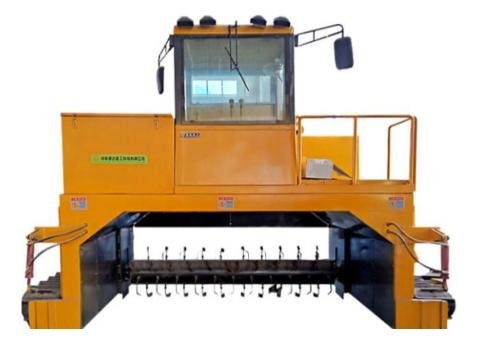
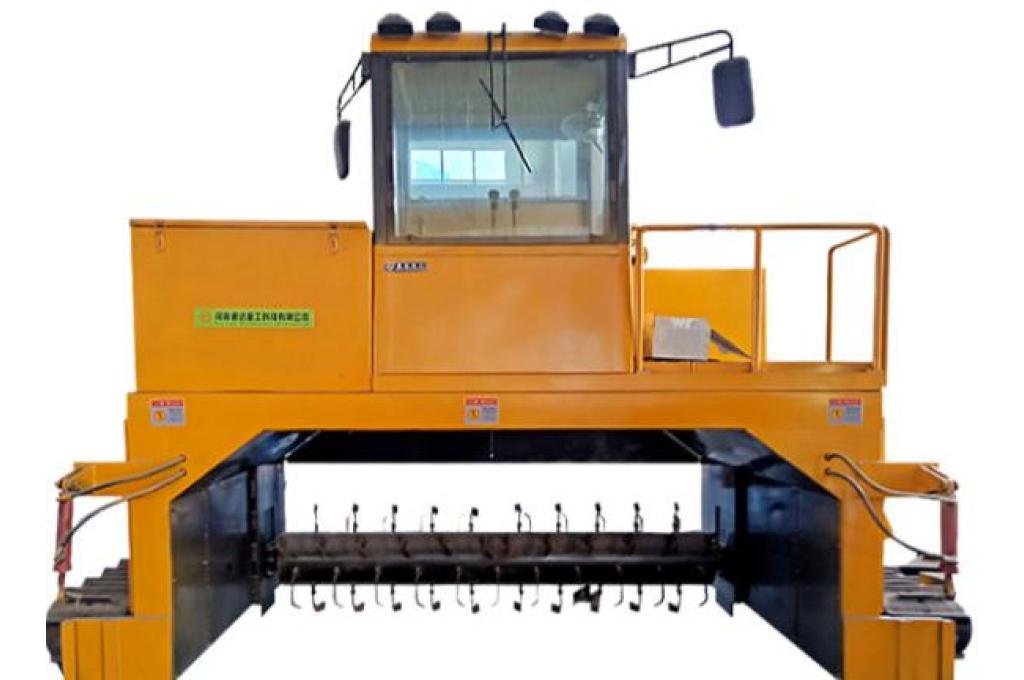
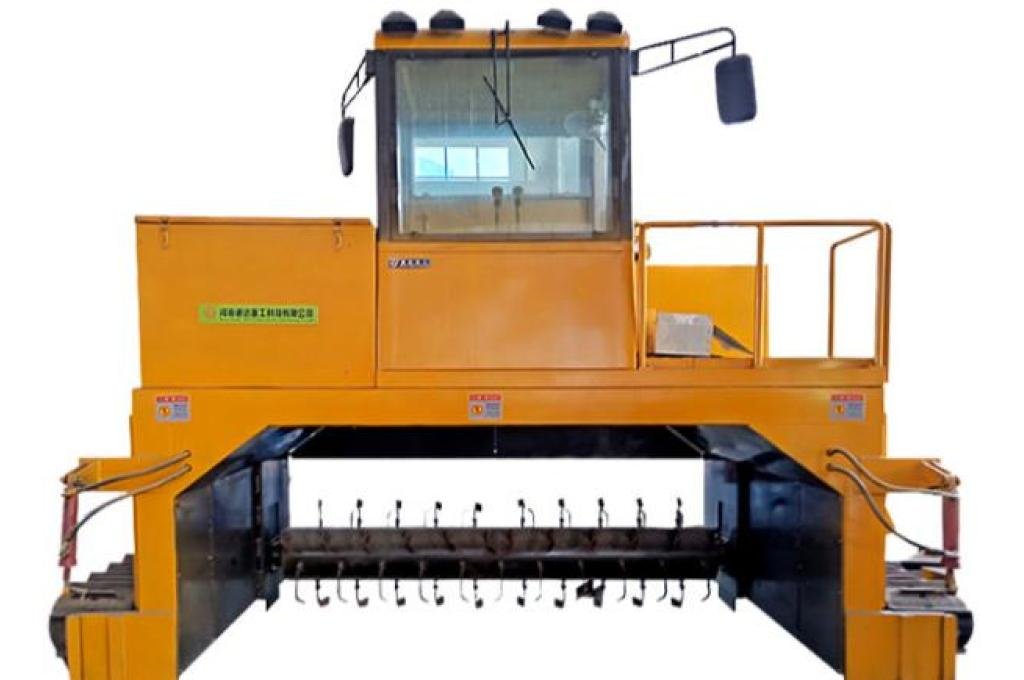
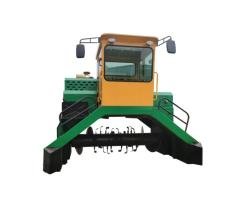
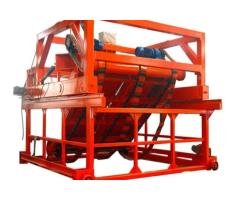
Features a crawler-based travelling system for stable movement across composting areas.
Designed for efficient turning, mixing, and aeration of organic materials.
Suitable for large-scale composting and fertilizer production operations.
Helps maintain uniform fermentation throughout the compost pile.
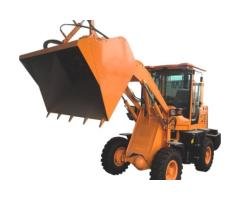
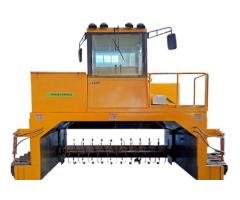
Designed with a forklift-style structure for convenient material turning.
Provides efficient mixing and aeration of composting materials.
Suitable for farms, composting facilities, and organic fertilizer production.
Supports flexible operation in different working environments.
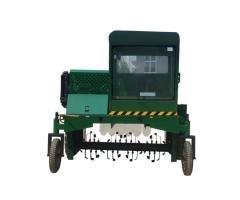
Designed to operate along dedicated composting grooves or fermentation channels.
Continuously turns and mixes organic materials during the fermentation process.
Helps improve aeration and promote even decomposition.
Suitable for large-scale livestock manure and organic waste processing.
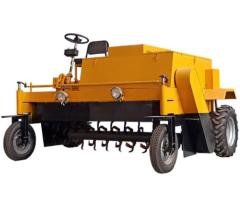
Designed for mobile operation across composting areas.
Provides continuous turning, mixing, and aeration of organic materials.
Helps improve fermentation efficiency and maintain consistent compost quality.
Suitable for different composting sites and fertilizer production applications.
Uses a wheeled travelling system for smooth movement during compost turning.
Efficiently mixes and aerates organic waste and compost materials.
Suitable for large composting areas and fertilizer production facilities.
Supports convenient operation and efficient material processing.
Agriculture: Converts organic waste and manure into nutrient-rich compost for improving soil conditions.
Landscaping & Gardening: Produces compost suitable for enriching garden and landscape soils.
Municipal Waste Management: Helps process biodegradable waste and reduce the amount of organic material sent to landfills.
Commercial Composting: Handles large quantities of organic materials efficiently for compost production.
Soil Improvement: Compost produced through controlled decomposition can help enhance soil structure, fertility, and overall quality.
Determine the required composting scale and processing volume.
Consider the type and characteristics of organic materials being processed.
Select equipment according to the desired processing capacity.
Evaluate site conditions, available space, and required mobility.
Choose a suitable power option based on the operating environment.
Consider ease of operation, cleaning, servicing, and maintenance.
Compare equipment cost with expected production requirements and operating efficiency.
Review equipment performance and recommendations when selecting a suitable model.
Features a crawler-based travelling system for stable movement across composting areas.
Designed for efficient turning, mixing, and aeration of organic materials.
Suitable for large-scale composting and fertilizer production operations.
Helps maintain uniform fermentation throughout the compost pile.
Designed with a forklift-style structure for convenient material turning.
Provides efficient mixing and aeration of composting materials.
Suitable for farms, composting facilities, and organic fertilizer production.
Supports flexible operation in different working environments.
Designed to operate along dedicated composting grooves or fermentation channels.
Continuously turns and mixes organic materials during the fermentation process.
Helps improve aeration and promote even decomposition.
Suitable for large-scale livestock manure and organic waste processing.
Designed for mobile operation across composting areas.
Provides continuous turning, mixing, and aeration of organic materials.
Helps improve fermentation efficiency and maintain consistent compost quality.
Suitable for different composting sites and fertilizer production applications.
Uses a wheeled travelling system for smooth movement during compost turning.
Efficiently mixes and aerates organic waste and compost materials.
Suitable for large composting areas and fertilizer production facilities.
Supports convenient operation and efficient material processing.
Agriculture: Converts organic waste and manure into nutrient-rich compost for improving soil conditions.
Landscaping & Gardening: Produces compost suitable for enriching garden and landscape soils.
Municipal Waste Management: Helps process biodegradable waste and reduce the amount of organic material sent to landfills.
Commercial Composting: Handles large quantities of organic materials efficiently for compost production.
Soil Improvement: Compost produced through controlled decomposition can help enhance soil structure, fertility, and overall quality.
Determine the required composting scale and processing volume.
Consider the type and characteristics of organic materials being processed.
Select equipment according to the desired processing capacity.
Evaluate site conditions, available space, and required mobility.
Choose a suitable power option based on the operating environment.
Consider ease of operation, cleaning, servicing, and maintenance.
Compare equipment cost with expected production requirements and operating efficiency.
Review equipment performance and recommendations when selecting a suitable model.

 Pro
NANNING TAGRM CO.,LTD
Pro
NANNING TAGRM CO.,LTD
 Pro
NANNING TAGRM CO.,LTD
Pro
NANNING TAGRM CO.,LTD
 Pro
NANNING TAGRM CO.,LTD
Pro
NANNING TAGRM CO.,LTD
 Pro
NANNING TAGRM CO.,LTD
Pro
NANNING TAGRM CO.,LTD
 Pro
NANNING TAGRM CO.,LTD
Pro
NANNING TAGRM CO.,LTD
 Pro
NANNING TAGRM CO.,LTD
Pro
NANNING TAGRM CO.,LTD
 Pro
NANNING TAGRM CO.,LTD
Pro
NANNING TAGRM CO.,LTD
 Pro
NANNING TAGRM CO.,LTD
Pro
NANNING TAGRM CO.,LTD
 Pro
NANNING TAGRM CO.,LTD
Pro
NANNING TAGRM CO.,LTD
 Pro
NANNING TAGRM CO.,LTD
Pro
NANNING TAGRM CO.,LTD
 Pro
NANNING TAGRM CO.,LTD
Pro
NANNING TAGRM CO.,LTD
 Pro
NANNING TAGRM CO.,LTD
Pro
NANNING TAGRM CO.,LTD
 Pro
NANNING TAGRM CO.,LTD
Pro
NANNING TAGRM CO.,LTD
 Pro
NANNING TAGRM CO.,LTD
Pro
NANNING TAGRM CO.,LTD
 Pro
NANNING TAGRM CO.,LTD
Pro
NANNING TAGRM CO.,LTD
 Pro
Henan Tongda Industrial Technology Group Co., LTD
Pro
Henan Tongda Industrial Technology Group Co., LTD
 Pro
Henan Tongda Industrial Technology Group Co., LTD
Pro
Henan Tongda Industrial Technology Group Co., LTD
 Pro
Henan Tongda Industrial Technology Group Co., LTD
Pro
Henan Tongda Industrial Technology Group Co., LTD
 Pro
Henan Tongda Industrial Technology Group Co., LTD
Pro
Henan Tongda Industrial Technology Group Co., LTD
 Pro
Henan Tongda Industrial Technology Group Co., LTD
Pro
Henan Tongda Industrial Technology Group Co., LTD
 Pro
Changzhou Cloveragri Machinery Co., Ltd.
Pro
Changzhou Cloveragri Machinery Co., Ltd.
 Pro
Changzhou Cloveragri Machinery Co., Ltd.
Pro
Changzhou Cloveragri Machinery Co., Ltd.
 Pro
Changzhou Cloveragri Machinery Co., Ltd.
Pro
Changzhou Cloveragri Machinery Co., Ltd.
 Pro
NANNING TAGRM CO.,LTD
Pro
NANNING TAGRM CO.,LTD
Pro
NANNING TAGRM CO.,LTD
Pro
NANNING TAGRM CO.,LTD
Register now and enjoy all the benefits of being a member.


 Welcome!