Bridge Crane Description
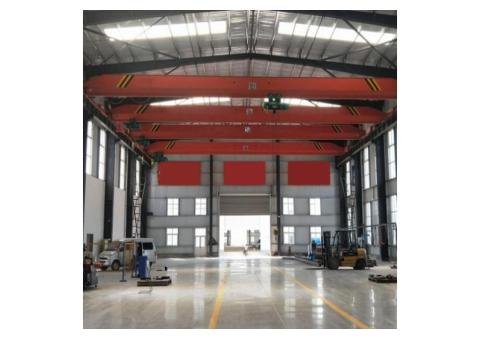
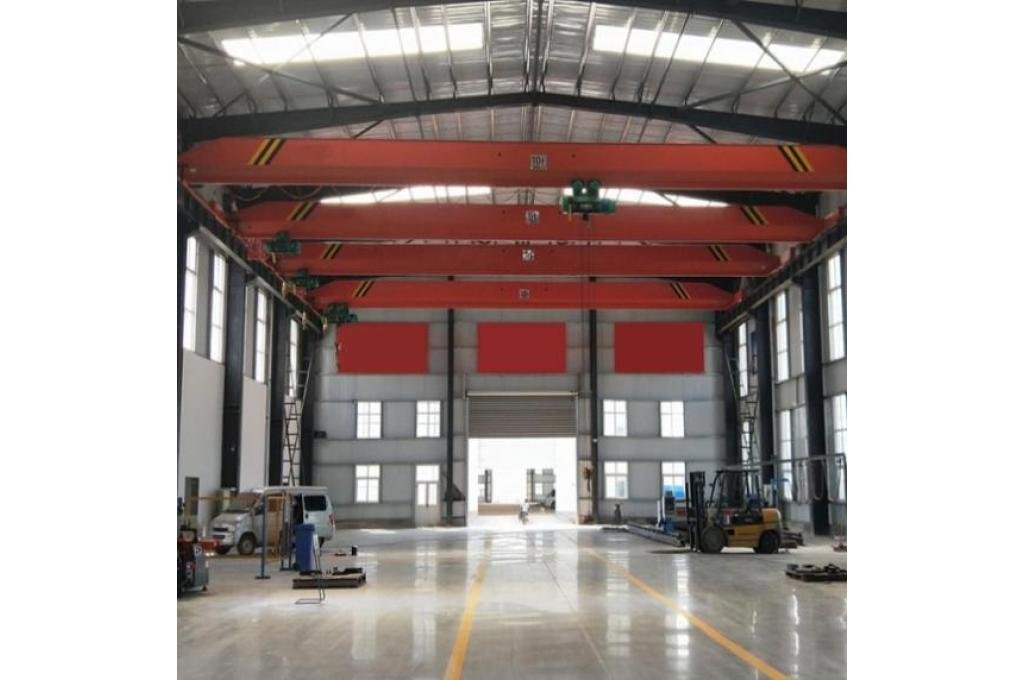
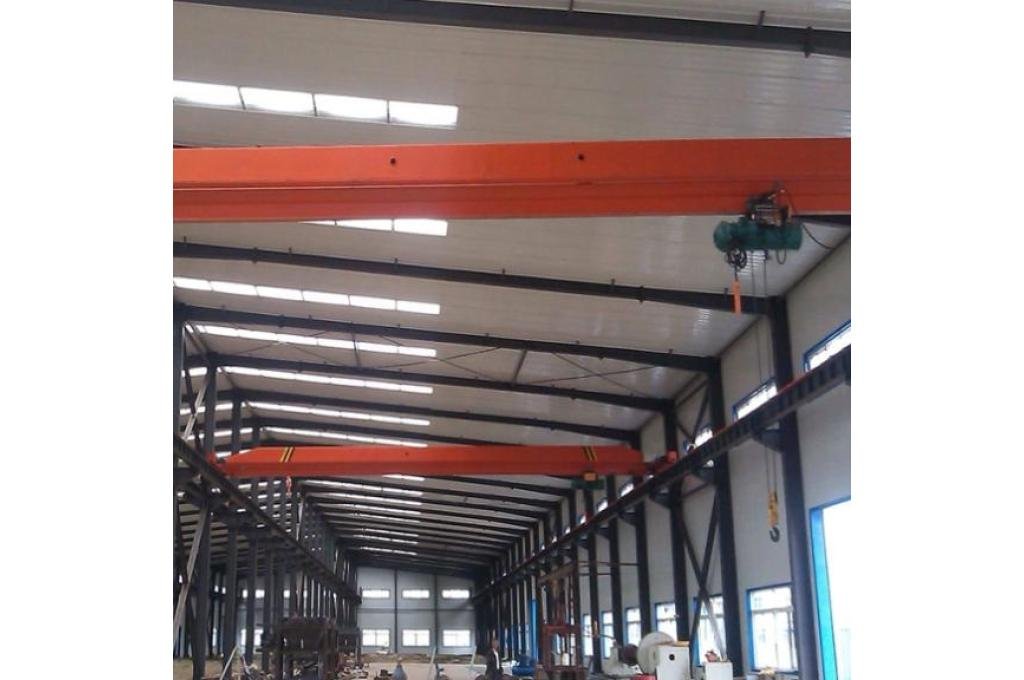
A bridge crane is a type of lifting equipment installed horizontally above workshops, warehouses, and storage yards for handling materials.
Its structure resembles a bridge, as both ends are supported by elevated concrete columns or steel frameworks.
The crane travels lengthwise along tracks mounted on both sides at height, allowing efficient movement across the workspace.
This design makes full use of the overhead space, enabling material lifting without interference from ground-level machinery.
Due to its efficiency and versatility, it is one of the most commonly used lifting systems in industrial environments.
Working Conditions
The crane’s metal framework and mechanical components must provide adequate strength, rigidity, and resistance to deformation or buckling.
All parts should remain undamaged under load conditions, ensuring safe and reliable operation.
Components like steel wire ropes, which experience complex forces, require detailed strength calculations and are designed with higher safety factors.
Structural deformation under load must stay within permissible limits, ensuring sufficient stiffness for stable operation.
The entire crane must maintain overall stability, especially to prevent tipping or overturning during use.
The power system should be capable of meeting operational demands, while the braking system must deliver adequate stopping force for safety.
Bridge Crane Description
A bridge crane is a type of lifting equipment installed horizontally above workshops, warehouses, and storage yards for handling materials.
Its structure resembles a bridge, as both ends are supported by elevated concrete columns or steel frameworks.
The crane travels lengthwise along tracks mounted on both sides at height, allowing efficient movement across the workspace.
This design makes full use of the overhead space, enabling material lifting without interference from ground-level machinery.
Due to its efficiency and versatility, it is one of the most commonly used lifting systems in industrial environments.
Working Conditions
The crane’s metal framework and mechanical components must provide adequate strength, rigidity, and resistance to deformation or buckling.
All parts should remain undamaged under load conditions, ensuring safe and reliable operation.
Components like steel wire ropes, which experience complex forces, require detailed strength calculations and are designed with higher safety factors.
Structural deformation under load must stay within permissible limits, ensuring sufficient stiffness for stable operation.
The entire crane must maintain overall stability, especially to prevent tipping or overturning during use.
The power system should be capable of meeting operational demands, while the braking system must deliver adequate stopping force for safety.

 Pro
Qunsheng Group Co., Ltd.
Pro
Qunsheng Group Co., Ltd.
 Pro
Qunsheng Group Co., Ltd.
Pro
Qunsheng Group Co., Ltd.




 Welcome!